

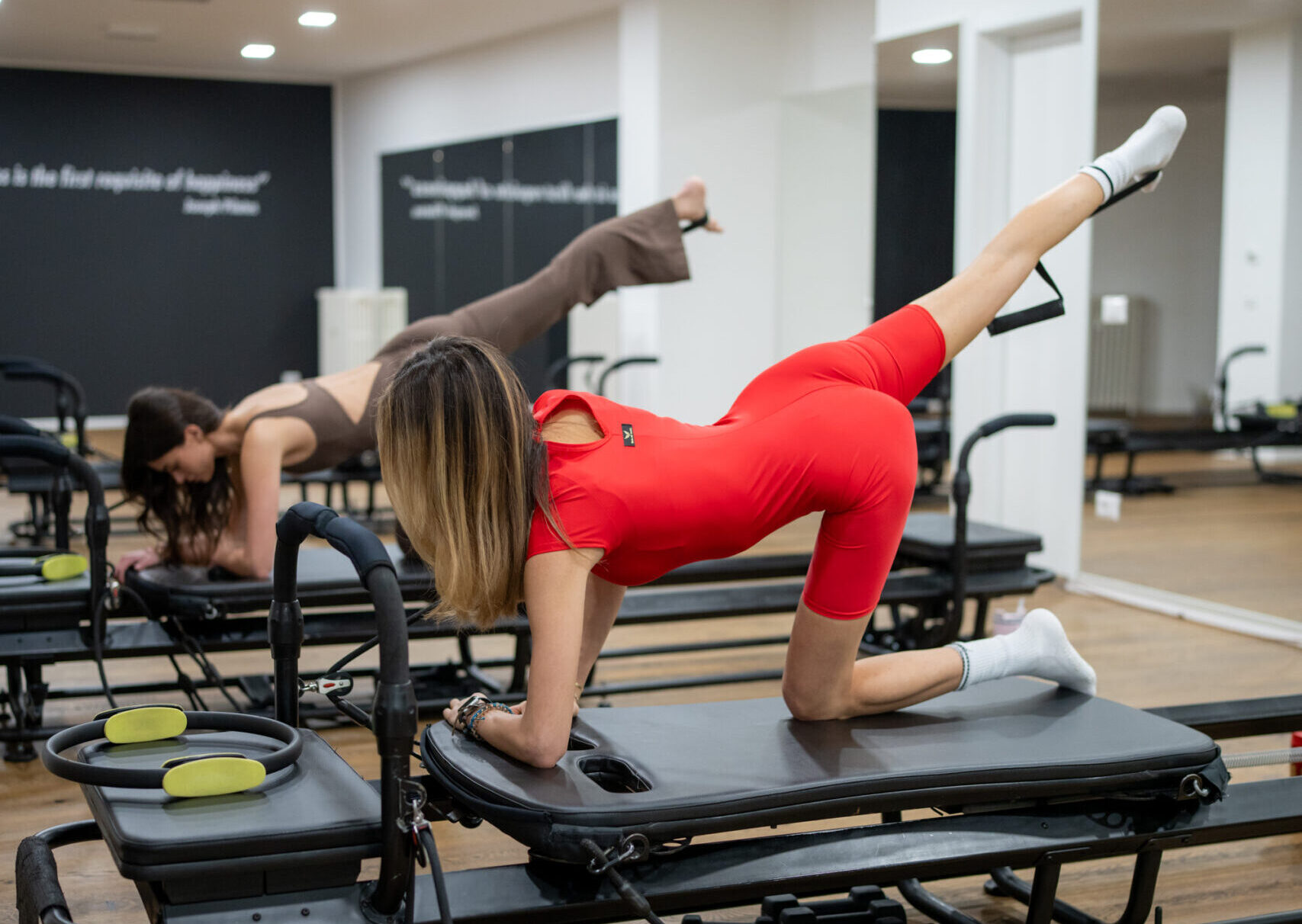
What is Pilates? Pilates is a type of gentle, functional exercise based on posture control and the “core” (the body’s center). It’s a rehabilitative and preventive method where every movement is designed to align body and mind. It is not a random sequence of exercises, but a true method that follows principles such as concentration, flow, precision, and mindful breathing. The goal is to improve harmony and coordination, especially strengthening the spine and core.
History of Pilates
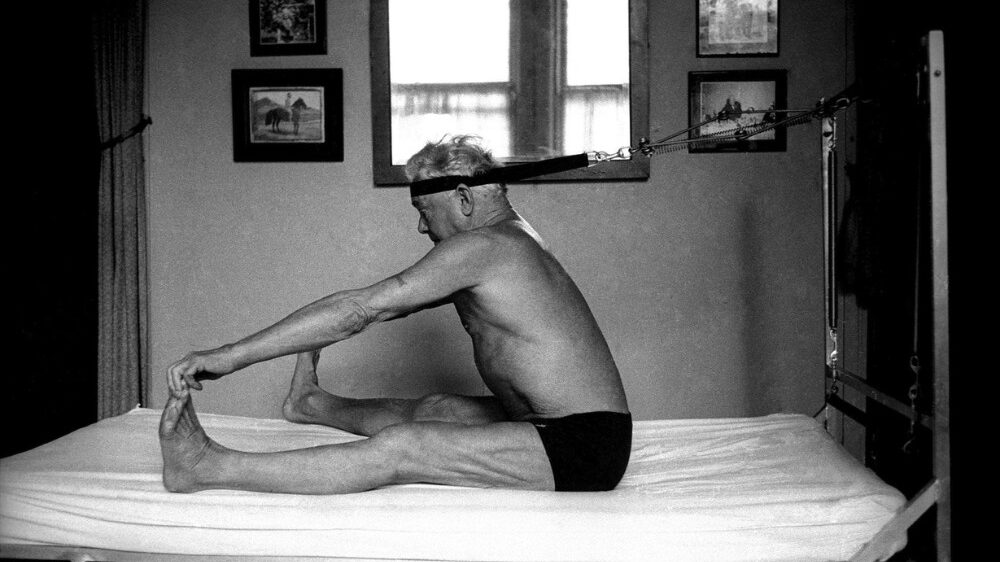
The Pilates method was developed in the early twentieth century by Joseph Pilates, originally from Mönchengladbach, Germany. A sports enthusiast from a young age, Pilates refined his “Contrology” over the years, creating several innovative devices during World War I. In the early ’20s he moved to the USA, where he opened his studio in New York and spread the method. Joseph Pilates believed that mental and physical health were interconnected and devised exercises aimed at strengthening both mind and body.
Who was Joseph Pilates?
Joseph Hubertus Pilates (1883–1967) was a German-born, naturalized American instructor, and inventor of Pilates. Born in Germany to a gymnast father and naturopath mother, he suffered various illnesses as a child and began practicing gymnastics to strengthen himself. During internment in World War I, he studied animal movements and devised the first Universal Reformer (spring-based sliding carriage) to help patients stand up again. His goal was to make exercises accessible to everyone, promoting physical health and body awareness.
Mat Pilates: Characteristics and Benefits
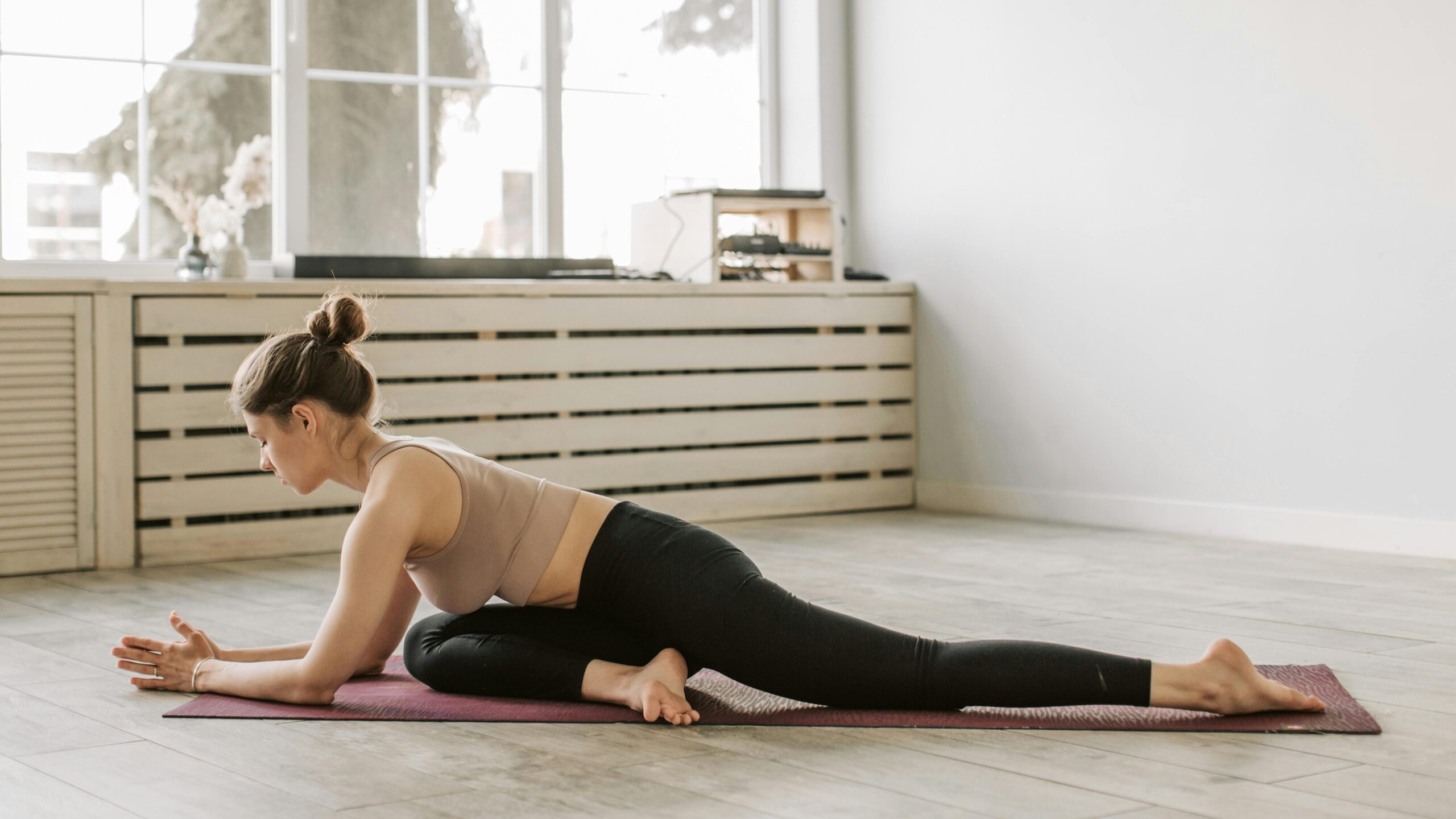
Mat Pilates (or mat-based Pilates) is the original practice closest to the idea of “classic” Pilates. It’s done using only a mat, possibly with small accessories like a circle or resistance band. All movements start from the core, performing exercises in lying, seated, or standing positions without using machinery. Among the benefits of Mat Pilates are improved postural control, flexibility, and overall toning: it strengthens the deep abdominals (core) and the spine, improving body alignment. Being low-impact and requiring no expensive equipment, it’s ideal for beginners or those who prefer a “home-style” workout. Mat Pilates helps learn the method’s foundations: as an expert emphasizes, it is the basis of all Pilates exercise, great for learning techniques and correct breathing before moving on to machines.
Reformer Pilates: Characteristics and Who It’s For
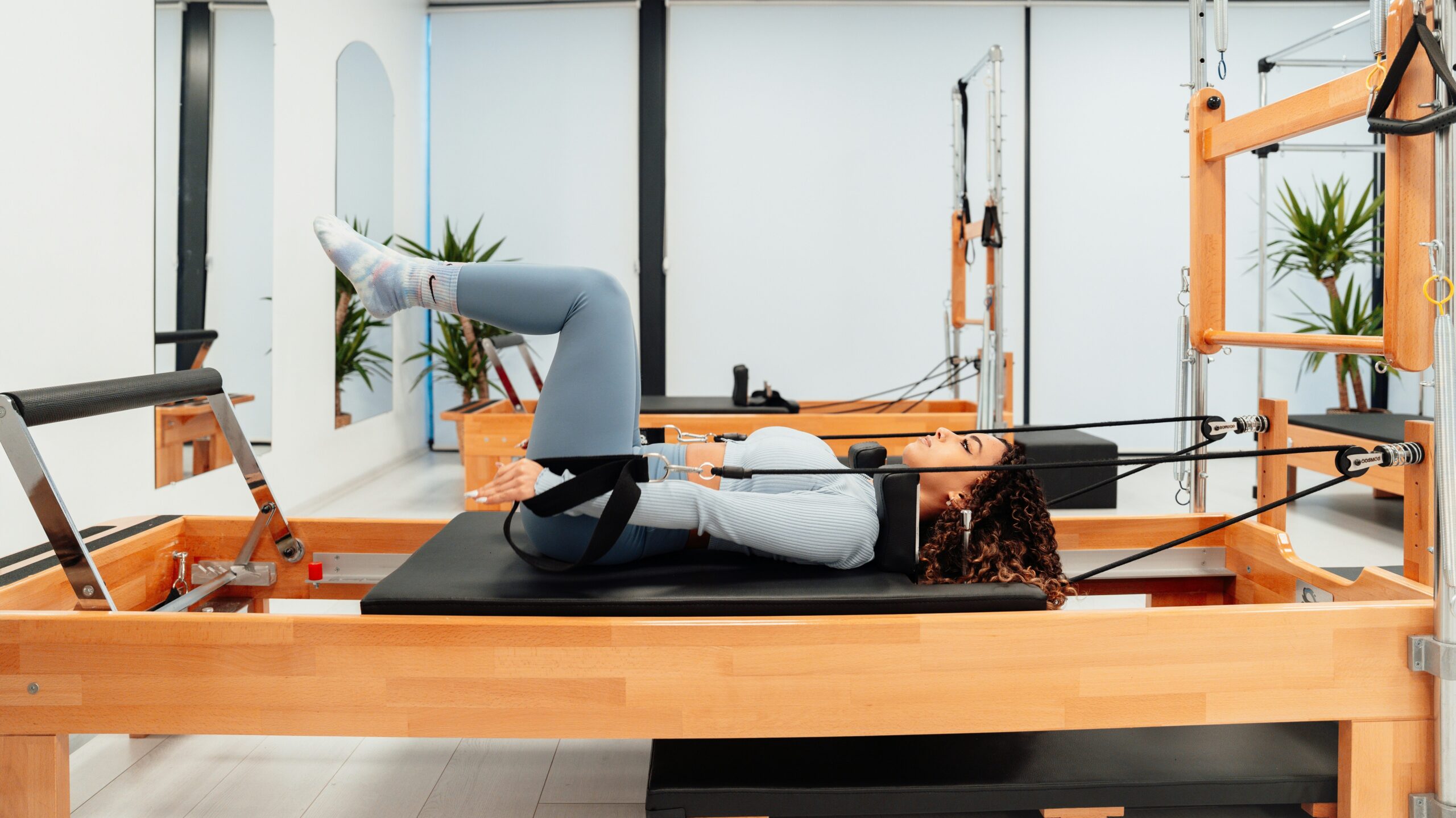
Reformer Pilates uses the special machine called the Reformer (originally “Universal Reformer”). It’s a mobile bed with a sliding carriage equipped with adjustable springs and straps. The main feature of the Reformer is its versatility: it offers dozens of exercise variations in supine, prone, seated, or standing positions, using lever arms and spring resistance. You can push the footbar with your foot, pull straps for arms or legs, change attachment positions, even invert the exercise plane (e.g., pedaling vertically). Essentially, the Reformer allows full-body training in a progressive way. From beginner to expert, everyone can use it: Reformer Pilates is “a machine for everyone, suitable for any level of fitness.” This is because the springs allow both facilitated movements (for those who are weak or beginners) and very challenging movements (by increasing resistance). The Reformer thus adds intensity and variety: you can load the lower body, abdominals, shoulders, etc., always under controlled movement. The result? A total body workout that stimulates flexibility, joint mobility, tone, and overall strength (especially of the core) with noticeable posture improvements.
Differences Between Mat and Reformer
The main difference lies in the equipment and intensity. With Mat Pilates, you work only with body weight and small supports, focusing on movement precision and mind-body connection. The Reformer, on the other hand, provides lever arms and springs as extra resistance: this allows more dynamic and complex exercises. In practice, those who do Mat Pilates learn the method's fundamentals (balance, breathing, postures), while the Reformer expands those movement patterns with resistance and stability challenges. The Mat is more portable and economical; the Reformer requires a machine but enables precise exercise modulation. Both improve strength and flexibility, but the Reformer often achieves results faster thanks to spring support and increased load.
Fitness Reformer Pilates (CoreWork Method)
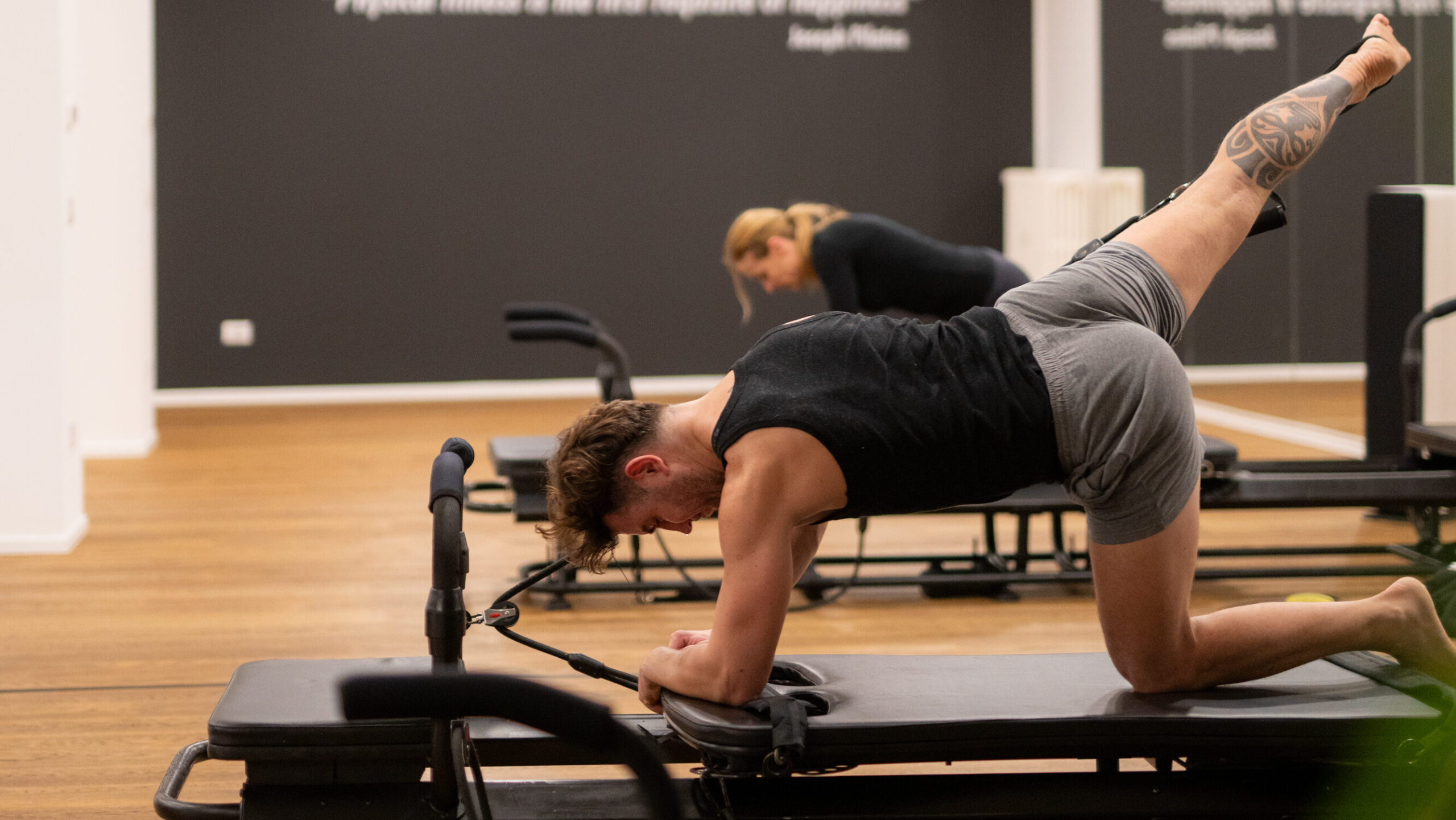
Fitness Reformer Pilates is our way of doing Reformer—that is, the CoreWork method. It’s a continuous-flow class where exercises follow each other without long pauses. Each session combines strength, cardio, and flexibility movements in dynamic sequences. We use modern machines (for example, Core-reformer) that amplify the stimulus: essentially some traditional Reformer combined with aerobic and resistance movements. The continuous flow, as in classic Pilates, aims to let the exercises “flow” one after the other seamlessly: this helps build strength and endurance without breaking concentration. The benefit is complete: you tone deep muscles (core, arms, legs), improve posture, and at the same time get a cardio effect (burning calories thanks to continuous activity). The CoreWork variation emphasizes total fitness: in a single class you train globally, from head to toe, integrating the ideal “mind-body” connection of Pilates with the energy of a HIIT/modular workout.
Who is Fitness Reformer Pilates Suitable For
CoreWork’s Fitness Reformer is suitable for anyone looking for an effective, complete workout. Since you can regulate exercise intensity (by choosing the springs and exercises), it’s excellent for both beginners and trained individuals. For a woman seeking a balanced full-body tone, it’s ideal: it improves abdominals, glutes, legs, arms, and spine in a single class. It is particularly appreciated by those who want quick results because each session is full-body and high-intensity. No specific experience is required: CoreWork instructors guide every movement, teach how to set up the machine, and explain correct postures even to newcomers.
Read this insight to discover how it can help prevent injuries: Pilates for Athletes: Benefits, Performance and Injury Prevention.
You can start with basic positions and progress toward more challenging sequences. If you live in Milan, CoreWork has three convenient central studios: one in Missori area (Via Fieno 1), one in Sempione area (Via Abbondio Sangiorgio 20) and one in Magenta (Via Terraggio 26). Here you’ll find well-prepared instructors ready to assist, and you can book your lessons online. For more info or to book, visit the Sempione or Missori page, or contact us directly in the Contacts section of our site.
FAQ
What is the difference between Mat and Reformer Pilates?
The key difference between Mat Pilates and Reformer Pilates lies in the equipment and resistance level. Mat Pilates is performed on the floor using body weight and focuses on core strength, posture, and controlled movement. It’s ideal for learning fundamental Pilates principles such as breathing and alignment. Reformer Pilates uses a machine with adjustable springs that provide progressive resistance, allowing for greater exercise variety, increased intensity, and full-body muscle activation.
Do I need experience to start Fitness Reformer Pilates?
No prior experience is required to begin Fitness Reformer Pilates. CoreWork classes are designed to welcome beginners, with guided instruction and adjustable resistance levels. Participants start with foundational movements and gradually progress to more challenging sequences. However, since Fitness Reformer combines strength training and cardio elements in a continuous flow, a basic level of general fitness is recommended.
What does a CoreWork method class consist of?
A CoreWork Fitness Reformer class lasts approximately 50 minutes and follows a continuous flow structure. It combines traditional Reformer Pilates exercises with dynamic functional movements, targeting core, legs, glutes, arms, and posture. Adjustable springs allow intensity modulation, while instructors guide breathing, alignment, and technique throughout the session. The result is a full-body workout that improves strength, endurance, and neuromuscular control.
Where are the CoreWork studios in Milan?
CoreWork has three studios in central Milan:
Missori – Via Fieno 1
Sempione – Via Abbondio Sangiorgio 20
Magenta - Via Terraggio 26
The locations are equipped with modern Reformer machines and offer small-group Fitness Reformer Pilates classes for personalized attention and high-quality training.
How long is a Fitness Reformer Pilates class?
A standard Fitness Reformer Pilates class lasts around 50 minutes. This duration is designed to deliver a complete and intense full-body workout, combining strength, stability, mobility, and cardiovascular activation without excessive joint stress. The continuous flow format maximizes efficiency and keeps energy levels high throughout the session.
Giorgia, CoreWork Milan Trainer
