


Mobility and flexibility are essential aspects of physical well-being, especially for those who practice activities like Fitness Pilates. Keeping joints healthy, muscles supple, and reducing muscle stiffness are key goals to improve performance, prevent injuries, and maintain an active lifestyle. However, while physical exercise is crucial, nutrition plays an equally important role in supporting musculoskeletal health.
In the CoreWork Fitness Pilates method, great attention is paid to improving mobility through focused work on breath, alignment, and neuromuscular control. Combining these principles with mindful nutrition creates a holistic approach to wellness.
In this article, we’ll explore how certain foods can reduce inflammation, improve flexibility, and contribute to joint and muscle health. We’ll also discover which nutrients are essential for enhancing mobility and combating muscle and joint stiffness.
The Link Between Inflammation and Mobility
When the body is inflamed, joints and muscles can become stiff, causing pain and reduced mobility. Chronic inflammation is often at the root of conditions such as arthritis, but it can also be triggered by intense workouts, injuries, or a poor diet.
Acute inflammation (such as that caused by intense physical activity) is a natural response and can be beneficial in small doses. However, when inflammation becomes chronic, it can lead to long-term stiffness and discomfort. Fortunately, an anti-inflammatory diet can help counteract these effects and support long-term health.
At CoreWork Fitness Pilates, we work preventatively and mindfully to counteract stiffness and promote joint fluidity.
Anti-Inflammatory Foods to Improve Mobility
There are many foods with natural anti-inflammatory properties that are ideal for improving muscle flexibility and joint health. Here are some of the most effective:
- Foods Rich in Omega-3
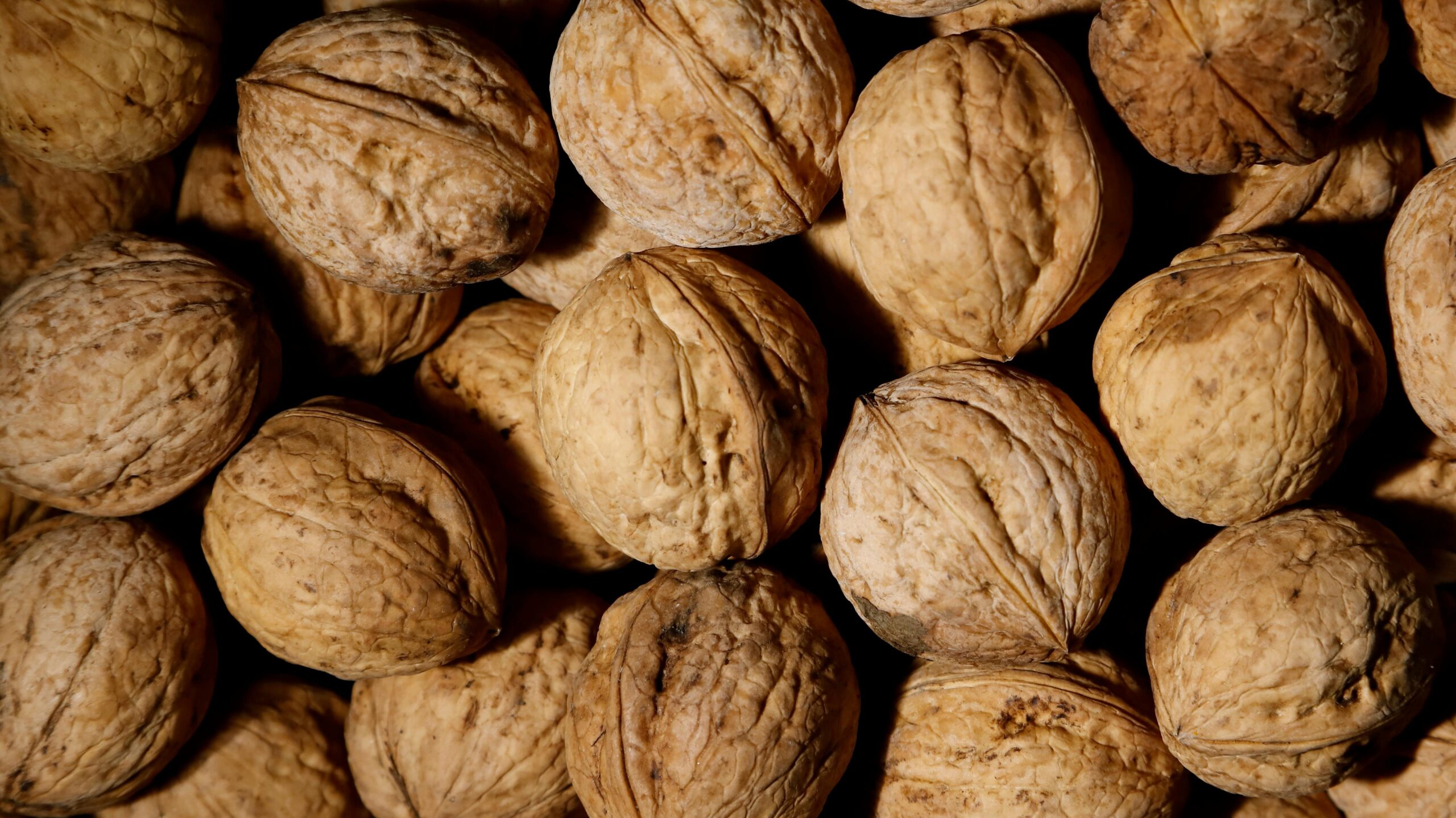
Omega-3 fatty acids are well known for their anti-inflammatory properties and are essential for joint health. Omega-3s help reduce the production of pro-inflammatory molecules, support joint lubrication, and aid in muscle recovery.
Top sources of omega-3 include:
- Fatty fish: salmon, mackerel, sardines, and herring
- Flaxseeds and chia seeds: great for those on a plant-based diet
- Walnuts: rich in omega-3s and antioxidants that fight oxidative stress
Consuming omega-3s regularly helps keep the body supple, reducing joint pain and stiffness.
Within a program like the CoreWork method, omega-3s enhance the effects of deep muscular work and improve the body’s response to functional movement.
- Antioxidant-Rich Fruits and Vegetables

Fruits and vegetables are rich in vitamins, minerals, and antioxidants, all of which play a key role in reducing inflammation and supporting muscle recovery.
Some antioxidant-rich foods to include in your diet are:
- Berries (blueberries, raspberries, strawberries): rich in vitamin C and polyphenols, they protect against free radical damage
- Turmeric: contains curcumin, a powerful natural anti-inflammatory that supports joint health
- Ginger: similar to turmeric, it can relieve muscle and joint pain
- Bell peppers: one of the best sources of vitamin C, essential for collagen synthesis to keep ligaments, tendons, and joints healthy
Eating a colorful variety of fruits and vegetables provides a wide range of antioxidants that protect and strengthen your muscles and joints.
At CoreWork, our strategic use of mobility and stretching exercises in Pilates pairs perfectly with a diet rich in antioxidants.
Healthy Fats for Joint Lubrication
Healthy fats are essential for joint health. Olive oil and avocados are rich in monounsaturated fats, which support joint health and have anti-inflammatory effects. Healthy fats also promote good circulation, which helps deliver key nutrients to your joints.
Foods high in omega-9, such as olive oil and hazelnuts, also help reduce the risk of chronic inflammation.
In Fitness Pilates, we focus on body awareness and activating deep muscle chains—both of which benefit greatly from well-nourished, lubricated joints supported by a diet high in healthy fats.
The Role of Collagen and Vitamin C in Mobility
Collagen is the main protein that makes up tendons, ligaments, cartilage, and bones. To support joint health and enhance mobility, it’s important to boost your body’s collagen production.
Collagen-Rich Foods
Collagen is mainly found in animal-based foods such as:
- Bone broth: an excellent and easily absorbable source of collagen
- Chicken and beef: especially the skin and tendons
- Fish: especially salmon and tuna, which also provide omega-3s
Vitamin C for Collagen Synthesis
Vitamin C is essential for collagen production and also acts as an antioxidant. Some of the most vitamin C-rich foods include:
- Citrus fruits (oranges, lemons, grapefruits)
- Kiwis
- Red bell peppers
- Broccoli
Getting enough vitamin C helps improve flexibility and joint health, while also supporting tissue regeneration.
In the CoreWork program, we often recommend natural dietary support (or supplements when needed) to help maintain strong, resilient joints—especially for those regularly practicing Fitness Pilates focused on posture and joint strength.
Hydration and Flexibility
Hydration is key to keeping muscles and joints lubricated. When the body is dehydrated, muscles become stiffer and less elastic, and joints can suffer from increased friction. Drinking water regularly helps maintain muscle elasticity and joint mobility.
Hydration also aids nutrient circulation and helps eliminate toxins, promoting faster recovery after physical activity.
This is a point we emphasize in our classes, where hydration is seen as essential for supporting the elasticity of myofascial tissue.
Food Combinations to Support Mobility
Here are a few food combos that can support your mobility and reduce inflammation:
- Avocado, cherry tomato & tuna salad, with olive oil and chia seeds
- Berry and turmeric smoothie, with almond milk and flaxseeds
- Bone broth soup with vitamin C-rich veggies like bell peppers, broccoli, and spinach
- Baked salmon with sweet potatoes and asparagus, drizzled with olive oil
- Quinoa salad with chickpeas, red peppers, and spinach, dressed with lemon and olive oil
Many of our CoreWork clients have experienced great benefits by combining these kinds of meals with regular Fitness Pilates sessions focused on mobility and deep muscle reinforcement. It’s a holistic approach that blends nutrition, conscious movement, and breathwork.
Conclusion
Improving mobility and reducing inflammation isn't just about working out. The right nutrition plays a crucial role in keeping your joints and muscles healthy, flexible, and resilient.
Incorporating foods rich in omega-3s, antioxidants, collagen, and vitamin C into your diet will help enhance your flexibility, reduce muscle stiffness, and support joint health. Don’t overlook the importance of hydration, and aim for a balanced diet that helps prevent chronic inflammation.
With the right nutrition and a consistent Fitness Pilates practice with CoreWork, you can experience a meaningful improvement in your mobility and overall well-being.
That’s all for today.
Chiara x
P.S. If you’d like to learn more about improving your health and fitness, visit www.chiaranutrition.co.uk to book a free call and find out how I can help you reach your goals.
And if you’re curious about how to incorporate Fitness Pilates into your wellness journey, check out our content on the CoreWork blog or book a class to experience the CoreWork method in action!
FAQs – Anti-Inflammatory Nutrition & Pilates
What are the best anti-inflammatory foods to improve joint mobility?
The best foods for an anti-inflammatory diet aimed at improving joint mobility include:
Omega-3 rich fish (salmon, mackerel, sardines)
Chia and flax seeds
Berries and colorful vegetables rich in antioxidants
Extra virgin olive oil and avocado
Turmeric and ginger
These foods help reduce systemic inflammation, enhance joint lubrication, and support muscle recovery—especially for those practicing Fitness Pilates regularly.
Can nutrition really influence flexibility and muscle stiffness?
Yes. A diet rich in anti-inflammatory nutrients, vitamin C, and healthy fats can significantly improve muscle flexibility and reduce joint stiffness.
Chronic inflammation, often linked to poor dietary habits and refined sugars, may negatively affect mobility. Incorporating functional foods and staying well hydrated supports more elastic tissues and enhances the benefits of Pilates mobility work.
Why is hydration important for joint health?
Hydration is essential for maintaining lubricated joints and flexible muscles.
Water helps transport nutrients to tissues, reduces joint friction, and supports toxin elimination. Proper hydration, combined with an anti-inflammatory diet and consistent Fitness Pilates practice, improves mobility and post-workout recovery.
