

Probiotics and prebiotics. Nourishing Harmony: The Symbiotic Dance of Probiotics, Prebiotics, and Hormonal Health
In the intricate ballet of our body's systems, gut health emerges as a leading dancer, influencing not only our digestion but also playing a crucial role in maintaining hormonal balance. As a nutritionist, I am consistently amazed by the profound impact of probiotics and prebiotics on this delicate equilibrium.
The Gut Microbiome Symphony: A Brief Prelude
Picture the gut as a bustling city, teeming with trillions of microorganisms collectively known as the gut microbiome. Within this microbial metropolis, probiotics are the benevolent citizens that promote harmony, supporting digestive processes and fortifying the gut lining.
Probiotics, often referred to as "good bacteria," reside in our digestive tract and work tirelessly to maintain a balance between various microorganisms. They play a pivotal role in breaking down food, synthesizing essential nutrients, and bolstering the immune system. However, their partnership with prebiotics is what truly elevates their performance.
Prebiotics: The Supporting Cast
Prebiotics act as nourishment for probiotics, essentially serving as their preferred meal. These non-digestible fibers are found in certain foods, such as garlic, onions, bananas, and whole grains. As a nutritionist, I emphasize the importance of incorporating prebiotic-rich foods into our diets to cultivate an environment where probiotics can thrive.
Imagine prebiotics as the choreographers of the microbial dance, ensuring that probiotics stay energized and ready to execute their vital functions. Together, these dynamic duos contribute not only to digestive health but also extend their influence to a realm that might surprise many: hormonal balance.
The Gut-Hormone Connection: An Intricate Pas de Deux
Our gut communicates with the rest of the body through a network of biochemical signaling pathways. This includes bidirectional communication with the endocrine system, which produces hormones that regulate various bodily functions. Disruptions in this communication can lead to hormonal imbalances, affecting everything from mood to metabolism.
Probiotics play a role in this intricate communication system by influencing the production and metabolism of hormones. Studies suggest that certain probiotic strains can modulate the activity of hormones such as insulin, ghrelin (which regulates hunger), and cortisol (the stress hormone). By promoting a balanced gut microbiome, probiotics contribute to a smoother pas de deux between the gut and hormonal systems.
Hormonal Harmony: Managing Stress with Probiotics
Stress, a ubiquitous companion in modern life, can significantly impact hormonal equilibrium. As a nutritionist, I often advocate for the use of probiotics as a potential ally in managing stress-related hormonal fluctuations.
The gut-brain axis, a bidirectional communication network between the gut and the brain, plays a key role in the stress response. Probiotics influence this axis, potentially mitigating the impact of stress on hormonal balance. By fostering a resilient gut microbiome, probiotics contribute to the body's ability to adapt to stressors and maintain hormonal harmony.
Supporting the Symphony: Practical Tips
As a nutritionist, I encourage my clients to embrace a holistic approach to gut health and hormonal balance. Here are some practical tips to support this symbiotic dance:
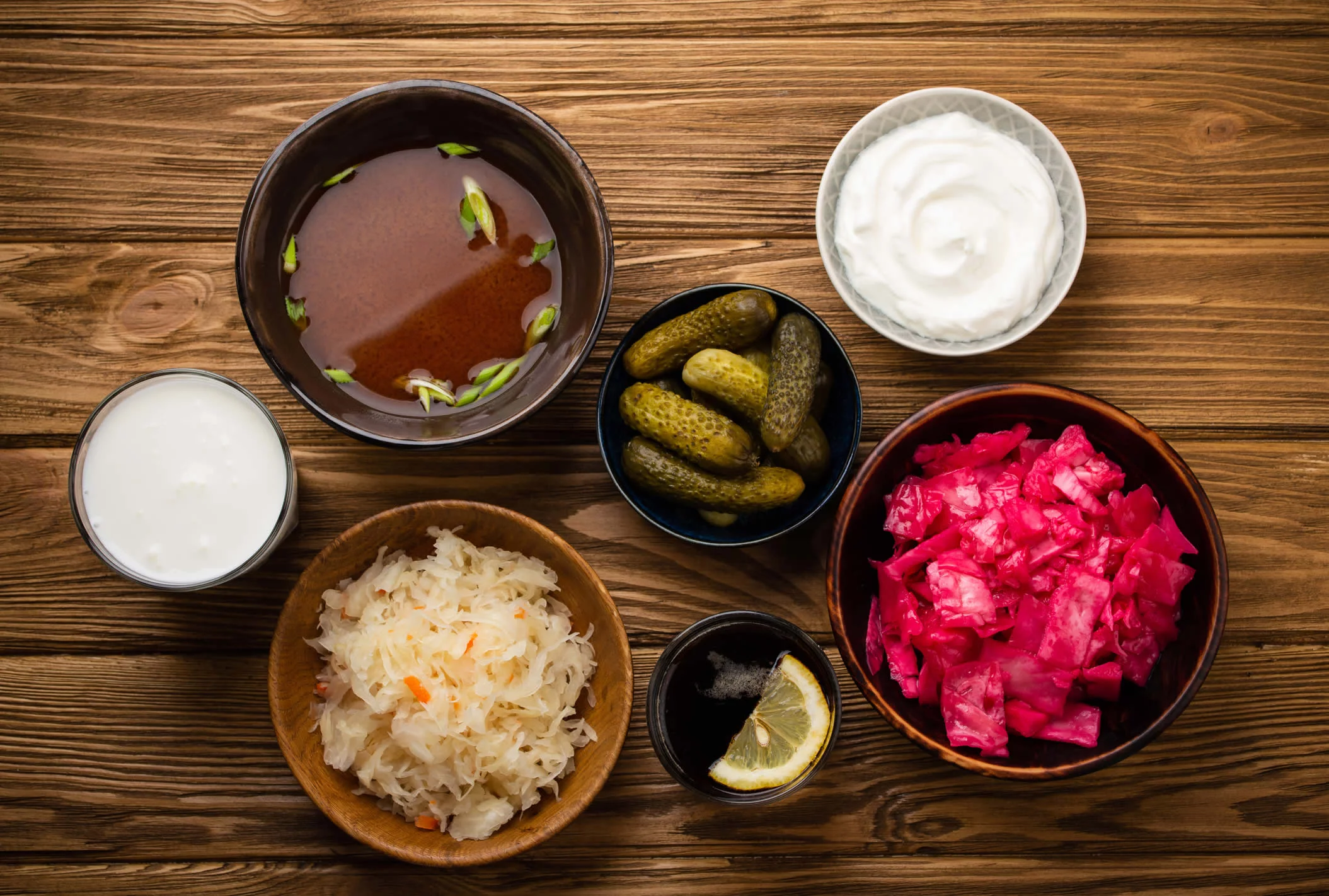
1. Diversify Your Diet: Include a variety of probiotic-rich foods like yogurt, kefir, sauerkraut, and kimchi. Complement these with prebiotic-rich foods such as garlic, onions, asparagus, and whole grains.
2. Consider Probiotic Supplements: In certain situations, such as after a course of antibiotics or for individuals with specific digestive issues, a probiotic supplement may be beneficial. Consult with a healthcare professional or nutritionist for personalized recommendations.
3. Mindful Eating: Practice mindful eating to reduce stress on the digestive system. Chew food thoroughly, eat in a relaxed environment, and savor each bite.
4. Prioritize Fiber: Include an abundance of fiber-rich foods in your diet to support both gut and hormonal health. Fiber acts as a prebiotic, nourishing the probiotics in your gut.
5. Manage Stress: Incorporate stress management techniques such as meditation, yoga, or deep breathing exercises to support a balanced gut-brain axis.
In Conclusion: A Symphony of Wellness
From a nutritionist's perspective, the significance of probiotics and prebiotics extends far beyond digestive health. Their impact on hormonal balance underscores the interconnectedness of our bodily systems. By nurturing the gut microbiome through mindful dietary choices, we can contribute to a harmonious symphony of wellness, where gut health and hormonal equilibrium dance in perfect unity.
That's all for now!
Chiara x
Ps. Book a complimentary consultation with me on www.chiaranutrition.co.uk to discover how I can assist you in achieving your health goals.
FAQ – Probiotics and Prebiotics
What is the difference between probiotics and prebiotics?
Probiotics are live beneficial microorganisms that help maintain a balanced gut microbiome and support digestion, immune function, and metabolic health. Prebiotics, on the other hand, are non-digestible fibers that serve as food for these beneficial bacteria. Without sufficient prebiotic intake, probiotics cannot thrive. Together, they work synergistically to promote gut health.
How does gut health influence hormonal balance?
The gut communicates with the endocrine system through complex biochemical pathways, including the gut-brain axis. A balanced gut microbiome can influence hormones such as insulin, cortisol (the stress hormone), and ghrelin (the hunger hormone). Gut imbalance may contribute to chronic inflammation and hormonal disruptions, potentially affecting metabolism, mood, and energy levels.
When should someone consider taking a probiotic supplement?
Probiotic supplementation may be beneficial after antibiotic treatment, during digestive disturbances, or in periods of high stress. However, supplementation is not necessary for everyone. It is advisable to consult a healthcare professional to determine the appropriate strain and dosage based on individual needs.
Which foods naturally contain probiotics and prebiotics?
Probiotic-rich foods include yogurt with live cultures, kefir, sauerkraut, kimchi, and other fermented foods. Prebiotics are found in high-fiber foods such as garlic, onions, asparagus, bananas, legumes, and whole grains. Regularly including these foods in the diet supports a resilient microbiome and overall health balance.
